Please fill out the form below to request a quote or to request more information about us. please be as detailed as possible in your message, and we will get back to you as soon as possible with a response. we're ready to start working on your new project, contact us now to get started.
Screw Press Vs. Belt Filter Press: Ultimate Sludge Dewatering Guide
2026-10-25
DUBHE
51
Are you grappling with the challenges of sludge dewatering and unsure of which technology to invest in? Look no further! In our comprehensive guide, "Screw Press vs. Belt Filter Press: Ultimate Sludge Dewatering Guide," we delve into two of the most popular dewatering solutions on the market today. Whether you're managing wastewater in industrial settings, municipal wastewater treatment plants, or agricultural applications, understanding the strengths and weaknesses of each method is crucial for optimizing your operations and reducing costs. Join us as we explore the mechanics, efficiency, maintenance, and overall performance of screw presses and belt filter presses, equipping you with the insights you need to make an informed decision. Let’s get started on the path to effective sludge management!
1. Overview of Mechanical Sludge Dewatering
Sludge dewatering is a critical process in wastewater treatment, impacting both operational efficiency and environmental compliance. As water treatment facilities grapple with increasing waste loads and regulatory requirements, the choice of technology becomes paramount. Two of the most widely utilized technologies for mechanical sludge dewatering are screw presses and belt filter presses. Each technology presents unique characteristics and advantages that cater to specific operational needs, influencing factors like cake dryness, operational costs, and maintenance requirements.
Screw Press Dewatering
Screw press dewatering relies on a helical screw to convey and compress sludge against a permeable wall. The operation begins with the introduction of sludge into the inlet, where it is transported through a screw shaft that gradually reduces in diameter. As the sludge moves along the screw, it undergoes both mechanical pressure and gravitational effects, which facilitate water extraction. This method results in a dewatered sludge cake with a dryness percentage typically ranging up to 30% solids, depending on the type of sludge treated and operating conditions.
One of the key advantages of using a screw press is its ability to achieve significant dryness in the dewatered cake. The resultant sludge cake can maintain a consistency of 30% solids, which is essential for downstream processing or disposal. Interestingly, screw presses offer superior performance in minimizing wash water usage, achieving up to a 90% reduction compared to traditional belt filter presses. This not only enhances operational efficiency but also mitigates the environmental footprint, leading to substantial savings in terms of water resource management.
Moreover, the automated continuous operation of screw presses reduces labor costs and improves reliability. These systems run continuously without the need for frequent operator intervention, making them ideal for facilities with high sludge volumes. The reduced variability in operation enhances the consistency of the output cake dryness, which is crucial for applications requiring specific moisture content in the final product.
Belt Filter Press
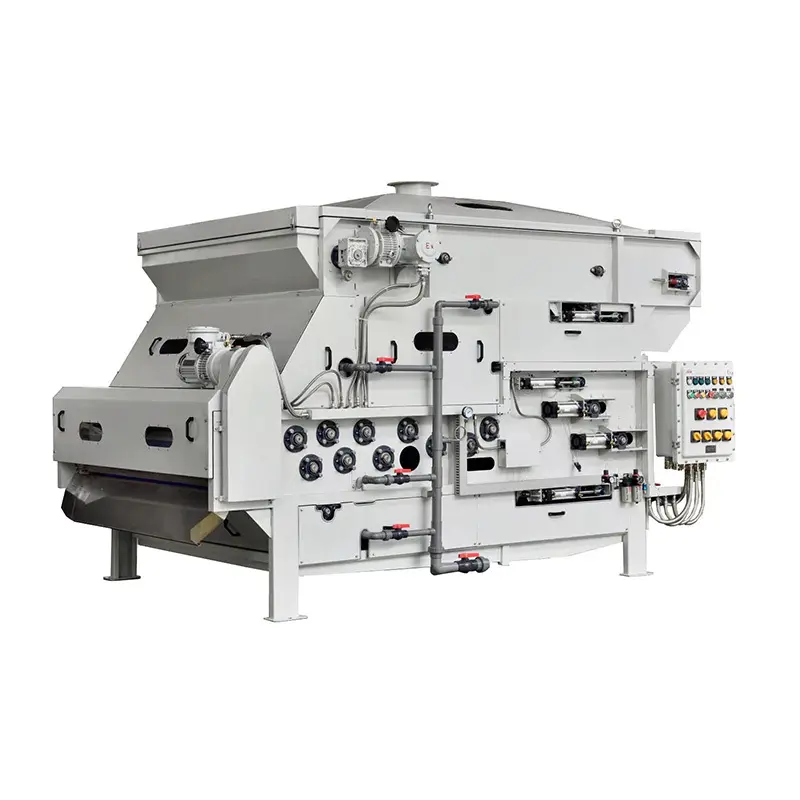
On the other hand, belt filter presses function by sandwiching sludge between two porous belts, which pass through a series of rollers that apply mechanical pressure. This pressure facilitates the pressing out of water, producing a sludge cake with a typical solids content of around 18% to 28%. Belt filter presses are often favored in industries that require high throughput and can efficiently handle varying sludge types.
While belt filter presses are effective, they require a more substantial amount of wash water, leading to higher operational costs and increased energy consumption associated with the treatment of that wash water. This can pose challenges for treatment facilities where water usage is a critical consideration. Although these presses are simpler to operate and maintain, there can be higher wear on the moving parts due to constant contact and abrasion between the sludge and the belts, potentially leading to a shorter life cycle of consumables compared to screw presses.
The effectiveness of cake dryness achieved by belt filter presses may not always meet the stringent requirements for further processing or land application. Sludge cake produced by belt presses may require additional drying or dewatering, resulting in further capital expenditures for facilities looking to optimize their sludge management practices.
Comparative Analysis
When evaluating the two methods, several dimensions come into play. Screw presses are often recognized for their simplicity, less water consumption, and a longer life cycle for wear parts, making them a more cost-effective solution over time, especially where sludge volume is high. Conversely, belt filter presses offer scalability and adaptability, particularly in facilities focused on maximizing throughput.
Choosing between these sludge dewatering machines involves a careful consideration of the operational context, including sludge composition, the desired cake dryness percentage, and the overall sustainability goals of the facility. While screw presses excel in minimizing water usage and providing uniform cake dryness, belt filter presses can be advantageous in high-volume, varying operational scenarios.
Ultimately, the decision between screw press dewatering and belt filter press technology hinges on a thorough assessment of specific needs, environmental goals, and budget considerations. In an age where operational efficiency and sustainability are paramount, the merits of each system will continue to play a significant role in shaping the future of wastewater treatment practices.
2. Dewatering Efficiency & Sludge Cake Dryness
In the realm of wastewater treatment, achieving optimal dewatering efficiency is crucial for effective sludge management. The performance of different dewatering technologies can significantly impact operational costs and environmental sustainability. Among these technologies, two prominent players have emerged: the screw press and the belt filter press. This section delves into their distinctive capabilities in sludge dewatering, particularly focusing on dewatering efficiency and the dryness of the resulting sludge cake.
Dewatering Efficiency: Understanding the Mechanics
Dewatering efficiency refers to the ability of a machine to remove moisture from sludge, resulting in a drier cake that’s easier and cheaper to handle. The efficiency of a dewatering technology can be influenced by several factors, including the design of the equipment, the properties of the sludge, and the operational parameters. Screw presses, known for their continuous and automated operation, have been gaining traction in the industry due to their capabilities to deliver significant improvements in dewatering efficiency compared to traditional methods.
A screw press dewatering machine operates on a principle of mechanical squeezing coupled with gravity drainage. Sludge is fed into the screw press, where a rotating screw conveys the material towards a tapered screen. As the screw tightens, it exerts increasing pressure on the sludge, effectively squeezing out the water. Since this process operates continuously, it minimizes downtime and enhances throughput, translating to significant labor savings and operational efficiency.
On the other hand, the belt filter press, while an established technology, operates differently. It utilizes two conveyor belts that sandwich the sludge, allowing the compression and gravity drainage to occur. Although it has been effective in various applications, the belt filter press demands more operational attention and often requires additional wash water to maintain efficacy, which can lead to increased operational costs.
Sludge Cake Dryness: What Does It Mean?
The resulting sludge cake's dryness—expressed as a percentage—plays a pivotal role in the overall efficiency of a wastewater treatment process. This metric directly correlates with the volume of sludge that needs to be disposed of, ultimately affecting logistics and disposal costs. A drier cake not only minimizes transportation and landfill costs but also enhances nutrient recovery opportunities and reduces environmental footprints.
Screw presses frequently achieve higher dryness percentages, reaching up to 40-45% dry solid content in the cake. This level of dryness can dramatically improve the overall efficiency of sludge disposal and reduce the spatial footprint required for storage. In contrast, the typical cake dryness achievable with a belt filter press ranges from 20-30%. Though adequate for many projects, the lower dryness levels can lead to an increased reliance on handling and additional treatment post-dewatering.
Impact of Wash Water Usage
One of the standout advantages of screw press technology is its significant reduction in wash water usage. Reports have indicated that screw presses can attain a 90% reduction in wash water usage compared to belt filter presses. This reduction not only conserves water—a precious resource—but also minimizes the costs associated with wastewater treatment and treatment plant operations. The ability to achieve high sludge cake dryness while using less water makes screw presses particularly attractive for facilities aiming to enhance sustainability.
Wear Parts and Lifecycle Management
Another important consideration in choosing between these technologies is the lifecycle and durability of their respective components. The automated operations inherent in screw press systems also contribute to a more efficient lifecycle management of wear parts. The design of the screw press minimizes the wear on critical components since it relies less on friction than a belt system that experiences considerable wear due to the constant movement of belts and sludge. This can lead to lower maintenance costs and extended lifespan of the equipment.
In conclusion, the choice between screw presses and belt filter presses hinges on a variety of factors, including dewatering efficiency, sludge cake dryness, operational costs, and wear part lifecycle management. Understanding how each technology performs in real-world applications is essential for wastewater treatment facilities looking for optimal efficiency and sustainability. As the industry evolves, the emphasis on automated systems like screw presses is likely to grow, driven by their superior operational efficiencies and lower environmental impact.
3. Wash-Water and Power Consumption Comparison
In the conservation-conscious world of industrial wastewater treatment, two predominant technologies vie for superiority in the realm of sludge dewatering: screw presses and belt filter presses. Both systems serve the critical purpose of reducing the moisture content in sludge, yielding a drier product known as sludge cake. However, when it comes to wash-water and power consumption, the screw press demonstrates distinct advantages that could steer operational decisions in favor of this innovative dewatering solution.
A pivotal measurement in the efficacy of sludge dewatering systems is the percentage of dryness achieved in the resulting sludge cake. The goal in many applications is to reach a cake dryness of around 30%–40%, which not only enhances the ease of handling but also reduces disposal costs. Belt filter presses, while widely utilized, often exhibit inefficiencies that lead to varying cake dryness, requiring a substantial amount of wash water in the process. In contrast, screw presses stand out with their ability to achieve higher dryness percentages more efficiently, making them an attractive option for facilities aiming to optimize both performance and cost-effectiveness.
An astonishing metric reveals that screw presses can achieve up to a 90% reduction in wash water usage compared to their belt filter press counterparts. This dramatic decline is attributed to the design and operational principles of screw presses, which utilize a continuous feed mechanism and a screw rotation to compress the sludge. This results in a more effective extraction of water while minimizing the need for additional wash-down procedures. The decreased dependency on wash water not only translates to lower operating costs but also reinforces environmental sustainability efforts by conserving precious water resources.
Moreover, the automated continuous operation of screw presses enhances their appeal. Unlike belt filter presses, which are often batch-operated and require significant manual intervention, screw presses allow for the seamless flow of sludge through the dewatering system without constant monitoring and adjustment. This automation results in less downtime and more stable operations, which is particularly advantageous in high-capacity processing environments. As modern industries push for efficiency, the ability to continuously dewater sludge while minimizing waste and resource utilization positions screw presses as a frontrunner in sludge dewatering technology.
Power consumption is yet another critical factor to consider when comparing these two systems. The power requirements of a sludge dewatering machine generally correlate with both the volume of sludge processed and the efficiency of water removal. Belt filter presses typically involve higher power consumption, particularly during the feeding and pressing phases, due to their reliance on mechanical systems that experience heavier wear and tear over time. The wear parts life cycle of belt filter presses necessitates regular maintenance and eventual replacement, leading to increased operational costs. Screw presses, on the other hand, exhibit superior durability owing to their simpler mechanical design and fewer moving parts. This translates into prolonged wear part life cycles and decreased maintenance necessities, making them not just more efficient in resource consumption but also more cost-effective in the long term.
Ultimately, the choice between screw presses and belt filter presses can significantly impact an organization’s bottom line, particularly in terms of wash-water and power consumption. The unique benefits of screw press dewatering systems, including their superior efficiency in achieving desired cake dryness, drastic reduction in wash-water usage, seamless automation, and favorable wear parts life cycles, present compelling reasons for industries to reconsider their sludge handling methodologies. In an era where every ounce of resource conservation counts, the screw press might just be the powerhouse solution that aligns with sustainability goals while maximizing operational efficiency. This outcome not only benefits the operational aspects but also bolsters environmental stewardship, showcasing a clear path toward more responsible sludge management practices.
4. Maintenance Requirements and Noise Levels
When evaluating dewatering technologies, such as screw presses and belt filter presses, maintenance requirements and operational noise levels emerge as critical aspects influencing not only plant efficiency but also operational cost and long-term sustainability. In the context of sludge dewatering, the choice between these technologies can significantly impact the overall performance of wastewater treatment operations.
Maintenance Requirements
Understanding the maintenance needs of both screw presses and belt filter presses is essential for ensuring optimal performance and longevity. Screw presses, known for their innovative design, require minimal maintenance due to fewer moving parts compared to traditional belt filter presses. This translates into lower long-term operational costs. The rotating screw mechanism in screw press dewatering systems allows for reducing wear and tear, as it is designed to handle sludge with varying thickness, thereby requiring less frequent maintenance interventions.
On the other hand, belt filter presses typically have more complex mechanisms involving a series of belts, rollers, and washing systems for the belts themselves. With these moving components, maintenance efforts can become time-consuming, including regular inspections, cleaning, and potential belt replacements. Over time, the wear parts of a belt filter press can become fatigued, leading to operational inefficiencies if neglected. Therefore, a diligent maintenance schedule is imperative to maintain optimal cake dryness and effective dewatering performance.
Wear Parts Life Cycle
Wear parts play a significant role in both systems. For screw presses, the main wear components include the screw shaft and the screen basket. These components are designed for enhanced durability, often resulting in a life cycle that can exceed that of a belt filter press's rollers and belts. This longevity not only reduces replacement frequency but also minimizes downtime associated with maintenance, allowing for more consistent operational throughput.
Conversely, the belt filter press has identified wear areas, particularly in its belts and associated hardware. These parts can exhibit uneven wear, resulting in varying sludge cake dryness percentages. Regular maintenance becomes essential to monitor the wear levels, ensuring that belts remain tight and functional to avoid sludge bypass and inefficiency.
Noise Levels
Noise is another factor to consider when comparing screw presses and belt filter presses. In many installations, noise can become a compliance issue or a nuisance for operations located near populated areas. Screw presses typically operate more quietly due to their enclosed design and efficient use of mechanical components. The absence of excessive vibration and external factors leads to a considerably lower noise output.
Belt filter presses, in contrast, can generate higher noise levels from the continuous operation of motors and mechanical components, especially during the filtration and washing phases. The noise produced can be disruptive, requiring investment in soundproofing measures or isolation strategies to comply with local regulations or community standards.
Automated Continuous Operation
Both screw presses and belt filter presses can be integrated into automated systems, enhancing operational efficiency. However, screw presses often offer a higher degree of automation, with continuous operation capabilities resulting in reduced human intervention once set up. This automation allows facilities to achieve a reliable 90% reduction in wash water usage, a significant advantage over traditional methodologies that rely heavily on excess water for effective sludge dewatering.
In a modern sludge dewatering machine, automated features could include real-time monitoring of cake dryness, operational statistics, and maintenance alerts. These technologies, particularly in screw press systems, combined with their superior cake dryness output, contribute to a lower overall water footprint and enhanced sustainability for wastewater treatment facilities.
Cake Dryness
The effectiveness of any dewatering system is ultimately evaluated based on the dryness of the sludge cake produced. Both technologies strive to achieve high levels of cake dryness but do so through different mechanisms. Screw presses generally outperform belt filter presses when it comes to achieving superior cake dryness percentages. With screw presses, the design facilitates a more compact and higher solid content in the resulting cake, which is crucial for further transportation and disposal processes.
In conclusion, evaluating maintenance requirements and noise levels alongside wear parts longevity, automated operation, and cake dryness percentages provides vital insights into the practical considerations when selecting between screw press and belt filter press technologies for sludge dewatering. Each system presents distinct advantages and trade-offs that can significantly impact plant operations and overall performance.
5. Selecting the Best Press for Industrial & Municipal Sludge
In the realm of sludge dewatering, the choice of equipment can significantly affect operational efficiency, resource utilization, and overall costs. Among the popular equipment options for sludge dewatering, screw presses and belt filter presses emerge as strong contenders, each with unique advantages and applications. Understanding these machines' operational characteristics and benefits is key to selecting the best solution for treating industrial and municipal sludge.
Screw Press Dewatering: Efficiency and Innovation
The screw press dewatering system is designed to handle a wide variety of sludge with an emphasis on efficient dewatering and minimal resource consumption. One of the standout features of the screw press is its ability to achieve remarkable cake dryness percentages—typically ranging from 25% to 35%. This translates to a significant reduction in the volume of sludge that requires further treatment or disposal, thereby lowering overall operational costs.
The innovative design of the screw press allows for an automated continuous operation, reducing the need for constant supervision and manual intervention. With an automated setup, facilities can achieve a consistent flow of sludge dewatering, ensuring that the machinery operates at optimal performance. Unlike batch processes, this continuous workflow minimizes downtime and enhances productivity, which is crucial for large-scale operations in both industrial and municipal settings.
Belt Filter Press: The Industry Standard
On the other hand, the belt filter press has been a staple in sludge dewatering for many years, particularly favored for its proven effectiveness in handling various types of sludge, including municipal and industrial. This machine operates through a system of belts where sludge is compressed between two porous belts that allow for gravity drainage before the remaining water is squeezed out under pressure. Traditionally, the belt filter press can achieve a cake dryness in the range of 20% to 30%, which, while respectable, may not match the screw press's capabilities in specific applications.
Belt filter presses are typically easier to clean and maintain due to their less complex design. However, the operational costs associated with maintaining wear parts can accumulate over time, as the belts and mechanical components may require frequent replacements and repairs. This consideration is critical when evaluating the long-term total cost of ownership.
Despite their capability, belt filter presses may not offer the same level of water efficiency as screw presses in terms of wash water usage. Moreover, while many modern belt filter presses incorporate automated features to enhance operational efficiency, their continuous dewatering capabilities are often outpaced by the screw press technology.
Evaluating Cake Dryness and Operational Efficiency
When selecting between a screw press and a belt filter press, cake dryness is a significant factor that cannot be overlooked. A drier sludge cake means lower transportation and disposal costs, as well as less volume for landfilling. Facilities that require maximum dewatered solids should place significant emphasis on the potential outputs of each machine during the evaluation phase.
Each piece of equipment serves specific needs and applications. For urban wastewater treatment facilities facing strict regulations on sludge disposal and heightened environmental expectations, a screw press might present a prudent choice. Conversely, those who require reliability and who possess resources for routine wear part management might find the belt filter press suits their needs adequately.
In conclusion, the choice between a screw press and a belt filter press ultimately hinges on a thorough understanding of operational demands, resource allocation, and environmental responsibilities. By considering factors such as cake dryness percentages, wash water efficiency, automation levels, and wear part life cycles, operators can make informed decisions that align well with their unique sludge dewatering requirements. In a landscape continually evolving towards enhanced efficiency and sustainability, staying informed on the latest advancements in sludge dewatering technology will serve as an invaluable asset for municipal and industrial stakeholders alike.
Conclusion
In conclusion, choosing between a screw press and a belt filter press for sludge dewatering can significantly impact your operational efficiency and environmental compliance. As a company with 20 years of experience in the industry, we understand the nuanced advantages each technology brings to the table. The screw press offers a compact design and energy efficiency, ideal for facilities with limited space, while the belt filter press excels in handling larger volumes of sludge with a proven track record. Ultimately, the best choice hinges on your specific needs, budget, and desired outcomes. By drawing on our two decades of expertise, we are here to guide you in selecting the right dewatering solution that aligns with your operational goals and sustainability initiatives. Let us partner with you in optimizing your sludge management processes for a greener future.
GET IN TOUCH WITH Us
recommended articles
+86-18019736003
DUBHE Co.Ltd. is a professional service in the sewage treatment market system equipment suppliers, engaged in various types of aeration, membrane, pump, blower, sludge dewatering machine, biological filler and other environmental protection equipment design and development, production and sales and international trade as one of the high-tech enterprises.
LINKS
PRODUCT
CONTACT US
Contact Person: Amber
Phone: +86-18019736003
Email: shdubhe@gmail.com
WhatsApp: +86-18019736003
Contact Person: Susie
Phone: +86-17501641229
Email: susie251121@gmail.com
WhatsApp: +86-17501641229
Address: Room 428. No.255 Xinjinqiao Road Pudong New Area Shanghai China
Copyright © 2026 Shanghai Dubhe Environmental Protection Technology Co.,Ltd. |Sitemap